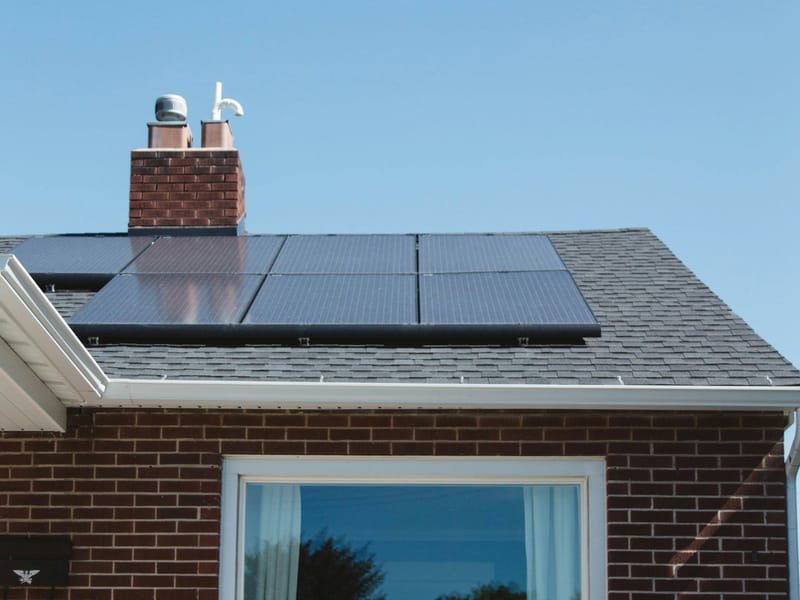
It surprises a lot of owners the first time the power goes out: the sun is shining, the panels are on the roof, and the house is dark. That isn’t a fault. It’s how a grid-tied system is required to work.
Why grid-tied solar shuts off
Florida’s interconnection rule for customer-owned solar, Rule 25-6.065, requires a utility-interactive inverter that automatically isolates the system when the grid loses power, and equipment that meets IEEE 1547 and UL 1741. The Florida Building Code requires the same listings on the inverter.
The reason is the same one behind every generator warning: power flowing back onto lines the utility thinks are dead can kill a lineworker. The Department of Energy describes it plainly: during long disruptions, inverters disconnect themselves from the grid and shut down.
What keeps the power on
There are a few ways, from least to most.
- Daytime-only outlets. Some inverters provide a little power with no battery while the sun is up. SMA’s Secure Power Supply gives up to 1,500 W from a dedicated outlet. Enphase’s Sunlight Backup runs essential, low-load circuits through IQ8 microinverters and a system controller, but only while solar output covers the load. Clouds, and nightfall, end it.
- A home battery with a backup gateway. The gateway separates the house from the grid when it fails, and the battery runs chosen circuits through the night while the panels recharge it by day. This is what “solar that works in an outage” usually means.
- A battery plus a generator. In a long, cloudy outage after a hurricane, the panels may not keep up. Some battery systems can take a generator input; ask the installer.
All three are installed by a licensed solar or electrical contractor, with a permit and the utility’s approval.
Net metering in Florida
Rule 25-6.065 sets net metering for the investor-owned utilities, Tampa Electric and Duke Energy Florida included:
- systems up to 10 kW (Tier 1) pay no added fees and need no extra liability insurance;
- what you export is credited to the next month’s bill and can carry forward for up to 12 months;
- credits left at the end of the year are paid out at the utility’s as-available (avoided-cost) rate;
- your monthly customer charge still applies, and the system has to pass inspection before it runs.
Tampa Electric installs a two-way meter and credits exports at your current retail energy rate. It notes that net metering doesn’t work with its Energy Planner rate, so those customers move to the standard rate.
Taxes and HOAs in 2026
- The federal credit is gone. The 30% residential clean energy credit ended with the 2025 tax law. The IRS says it isn’t allowed for expenditures made after December 31, 2025, and an expenditure counts as made when the installation is completed. A system finished in 2026 doesn’t qualify.
- No Florida sales tax. Section 212.08(7)(hh) exempts solar energy systems and their components.
- No added property tax. Under section 193.624, the value solar panels, inverters and storage add to a house isn’t counted in its assessed value.
- Your HOA can’t say no. Section 163.04 bars deed restrictions and associations from prohibiting solar collectors. The association can choose where on the roof they go, within the south-facing range, as long as that doesn’t impair performance.
Built for wind
Rooftop arrays in Florida have to be designed and installed for the wind loads in ASCE 7, under the Florida Building Code’s section R324.4.1.2, and the racking must be listed to UL 2703. Ask the installer for the wind design and the roof attachment details, and what happens to the roof warranty.
If you want outage power without a rooftop project
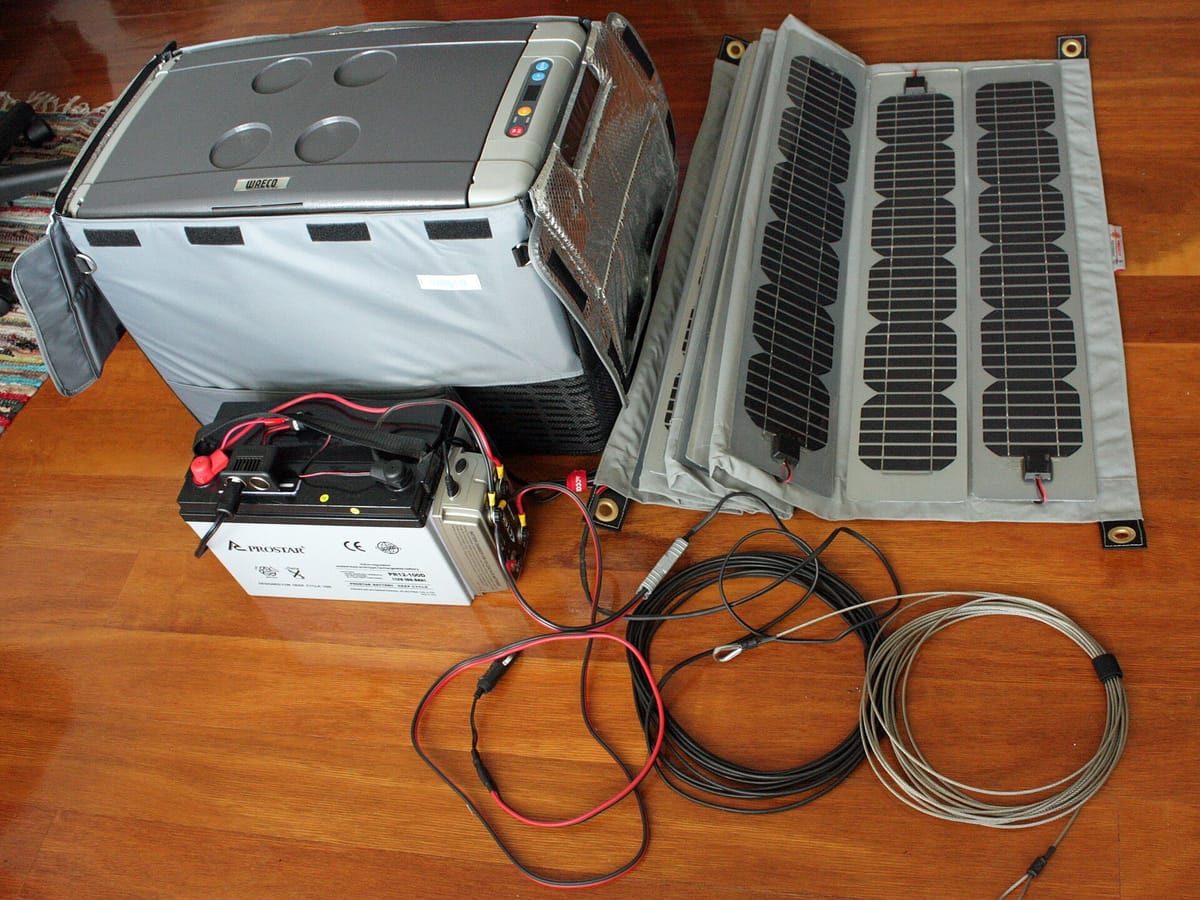
A battery power station and a pair of portable panels give you a few kilowatt-hours a day, with nothing installed and nothing to permit. See solar panels for a power station for how many panel watts a Tampa Bay day needs.